
Chase (JPMorgan Chase) Bank · 2026 Edition

Best Chase (JPMorgan Chase) Credit Cards Ranked & Reviewed

Expert overview of 10+ credit cards from America’s top 8 cards — rewards, cashback, travel perks, and who each card is really best for.

8
Major Cards
10+
Cards Covered
2026
Up to Date
100%
Unbiased
Card

Chase Amazon Prime Visa 5% Back at Amazon and Whole Foods $0 Annual Fee

★★★★★ (4.4/5)
Welcome Bonus $200 Gift Card
Annual Fee $0
Earning Rates 5% / 2% / 1%
Purchase APR 18.74% - 27.49% Variable
Apply Now
BEST FOR: Best Cash Back Card for Amazon Prime Members
A co-branded Visa Signature issued by JPMorgan Chase. Built exclusively for Amazon Prime members who want the highest possible cash back rate on Amazon and Whole Foods with no annual credit card fee.
BEST FOR: Best Cash Back Card for Amazon Prime Members
A co-branded Visa Signature issued by JPMorgan Chase. Built exclusively for Amazon Prime members who want the highest possible cash back rate on Amazon and Whole Foods with no annual credit card fee.
Card

Chase Freedom Unlimited No Annual Fee Cash Back $200 Bonus After $500 Spend

★★★★★ (4.2/5)
Welcome Bonus $200
Annual Fee $0
Flat Earning Rate 1.5%
Foreign Transaction Fee 3% per transaction
Apply Now
BEST FOR: No Annual Fee Cash Back Card
A no-annual-fee Visa from JPMorgan Chase that earns tiered cash back through the Ultimate Rewards system. Built for the Chase ecosystem, with the best results coming when it is paired with a Sapphire card.
BEST FOR: No Annual Fee Cash Back Card
A no-annual-fee Visa from JPMorgan Chase that earns tiered cash back through the Ultimate Rewards system. Built for the Chase ecosystem, with the best results coming when it is paired with a Sapphire card.
Card

Chase Sapphire Preferred® 75K Bonus Points Ultimate Travel Rewards Engine

★★★★★ (4.7/5)
Welcome Bonus 75,000 pts
Annual Fee $95
Tiered Earning 5X / 3X / 2X
Variable APR 19.24%-27.49%
Apply Now
BEST FOR: Premium Travel Rewards
The Chase Sapphire Preferred® is a $95/year Visa card that serves as the gateway into Chase's Ultimate Rewards ecosystem, offering flexible point transfers, strong travel protections, and a welcome bonus that delivers outsized Year 1 value.
BEST FOR: Premium Travel Rewards
The Chase Sapphire Preferred® is a $95/year Visa card that serves as the gateway into Chase's Ultimate Rewards ecosystem, offering flexible point transfers, strong travel protections, and a welcome bonus that delivers outsized Year 1 value.
Card

Chase Sapphire Reserve Premium Travel Powerhouse $795 Fee Reality Check
★★★★★ (4.2/5)
Welcome Bonus 150,000 pts
Annual Fee $795/yr
Top Everyday Rate 3x Dining
Authorized User Fee $195/AU
Apply Now
BEST FOR: Premium Travel Card
A premium travel card with best-in-class insurance and a massive welcome bonus, but you genuinely need to manage its benefits stack to get your money's worth at $795 a year.
BEST FOR: Premium Travel Card
A premium travel card with best-in-class insurance and a massive welcome bonus, but you genuinely need to manage its benefits stack to get your money's worth at $795 a year.
Card

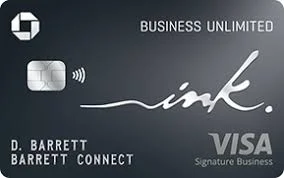
Ink Business Unlimited® () $750 Bonus Worth It

★★★★★ (4.7/5)
Cash Back Bonus $750
Annual Fee $0
Flat Rate Everywhere 1.5%
Lyft Cash Back 5%
Apply Now
BEST FOR: Best Flat-Rate Business Cash Back
You earn <strong style='color:#00e676'>1.5% cash back</strong> (1.5 points per $1) on all purchases. Points redeemable for cash (1¢ each), travel, or transfers.
BEST FOR: Best Flat-Rate Business Cash Back
You earn <strong style='color:#00e676'>1.5% cash back</strong> (1.5 points per $1) on all purchases. Points redeemable for cash (1¢ each), travel, or transfers.

Introduction

JPMorgan Chase is the largest bank in the United States by assets, and its Chase credit card lineup is equally dominant. With over 4,700 branches nationwide and more than 15,000 ATMs, the issuer — which appears as JPMCB (JPMorgan Chase Bank, N.A.) on your statement and credit reports — combines unmatched banking infrastructure with one of the most powerful rewards ecosystems in the world: Chase Ultimate Rewards.
The Chase Ultimate Rewards program is consistently rated as the most valuable transferable points currency in the US market. As of March 2026, The Points Guy values Chase Ultimate Rewards points at 2.05 cents each — meaning points earned on Chase cards are worth more than double their face value when transferred to airline and hotel partners. Chase has 14 transfer partners in total: 10 airlines and 4 hotel chains, all at a 1:1 ratio with no transfer fees.
In 2026, Chase made a major move: the Sapphire Reserve was completely overhauled with a new $795 annual fee (up from $550) alongside over $2,700 in annual benefits. At the same time, Chase eliminated the old One Sapphire rule and 48-month restriction, replacing them with a more flexible, lifetime-per-card bonus eligibility system — meaning cardholders can now hold both Sapphire cards simultaneously and earn both welcome bonuses (as long as they haven’t earned each specific card’s bonus before).
This guide covers every major Chase personal and business credit card with honest pros, cons, and clear guidance on who should apply for a Chase credit card — whether you’re a first-time cardholder, a points maximizer, or a small business owner.

Chase Card Lineup Overview

Chase organizes its credit cards into four main categories:
  • Sapphire Premium Travel Cards — Full transfer partner access, top travel benefits (Sapphire Preferred, Sapphire Reserve)
  • Freedom Cashback Cards — No annual fee, earn Ultimate Rewards points but require pairing for transfers (Freedom Unlimited, Freedom Flex)
  • Ink Business Cards — Business spending optimization (Ink Business Preferred, Unlimited, Cash)
  • Co-Branded Cards — Airline, hotel, and retail partnerships (United, Southwest, Marriott, Hyatt, Amazon, DoorDash, Disney)
Understanding this structure matters because only cards in the Sapphire and Ink Business Preferred tiers unlock full transfer partner access. The Freedom cards earn the same Ultimate Rewards points but require pairing with a premium card to unlock transfers. Annual fees in Chase’s lineup range from $0 (Freedom Unlimited, Freedom Flex) to $795 (Sapphire Reserve). The 5/24 rule — Chase’s applicant restriction limiting approval to those who have opened fewer than 5 new credit cards across all issuers in the past 24 months — applies to almost all Chase personal cards and is the most important thing to know before applying.

Card 1: Chase Sapphire Preferred® Card

At a Glance - Overview

Annual Fee$95
Best ForEntry-level travel rewards, points strategy beginners

The Chase Sapphire Preferred is one of the most enduring and beloved travel credit cards in the United States — and for good reason. Since its 2009 launch, it has consistently offered extraordinary value at a modest $95 annual fee. In 2026, it carries a welcome bonus of 75,000 points after $5,000 spend in the first 3 months — worth $1,538 at The Points Guy’s March 2026 valuation of 2.05 cents per point, or a straightforward $750 when redeemed for travel through Chase.
The card earns 5x points on Chase Travel purchases, 3x on dining (including delivery and takeout), 3x on select streaming services, 3x on online groceries (excluding Target, Walmart, wholesale clubs), 2x on all other travel, and 1x everywhere else. It also earns a 10% anniversary points bonus — every year on your account anniversary, you receive bonus points equal to 10% of all purchases made the previous year. Spend $25,000 in a year and receive 2,500 extra points at anniversary.
A $50 annual hotel credit for stays booked through Chase Travel effectively reduces the net annual fee to $45. Add the anniversary bonus and the card practically pays for itself from year two onwards. Full transfer partner access to all 14 Chase airline and hotel partners is included. No foreign transaction fee.

Expert Insight

Expert Tip: Don’t let the $95 fee scare you away. If you book just one hotel stay through the Chase Travel portal each year, you get a $50 statement credit. This drops your effective annual fee to just $45, making it an absolute no-brainer to hold long-term to keep your Ultimate Rewards points transferable.

Advantages

  • 75,000-point welcome bonus worth $750–$1,538 depending on redemption method
  • 5x on Chase Travel, 3x on dining — excellent everyday earning rates
  • $50 annual hotel credit effectively cuts fee to $45
  • 10% anniversary points bonus rewards long-term cardholders
  • Full access to all 14 Chase transfer partners at 1:1
  • Comprehensive travel protections: trip cancellation, delay, baggage loss, primary rental car insurance
  • Complimentary DashPass subscription (free delivery on DoorDash through 12/31/27)
  • No foreign transaction fee

Drawbacks

  • $95 annual fee not waived first year
  • 5x rate requires booking through Chase Travel portal — not all hotels participate in The Edit
  • No lounge access unlike the Sapphire Reserve
  • No Global Entry or TSA PreCheck credit
  • Welcome bonus eligibility is now lifetime-per-card (once you’ve earned it, you can’t earn it again)

Who Should Apply

The Sapphire Preferred is the ideal first premium travel card for anyone who is new to the points-and-miles world. The $95 annual fee is low enough to experiment without major commitment, the $50 hotel credit nearly eliminates the fee, and the 75,000-point welcome bonus provides immediate outsized value. Frequent diners, regular travelers who book hotels, and anyone who subscribes to streaming services will accumulate points rapidly with the 3x categories. If your goal is to eventually build toward the Chase Trifecta (Sapphire Preferred + Freedom Unlimited + Freedom Flex), this is the foundation card to start with. It’s also the right choice for people who have held the Sapphire Reserve before and now want to earn the Preferred’s separate lifetime bonus under the new 2026 rules.

Who Should Not Apply

If you already hold the Sapphire Preferred and have earned its welcome bonus, you cannot earn the bonus again under the lifetime restriction. Those ready for premium benefits — lounge access, higher earn rates, and larger travel credits — should look at the Sapphire Reserve instead. If you’re over Chase’s 5/24 limit, you’ll be declined regardless of creditworthiness.

Expert Review by Suraj Jha | Updated April 2026

Card 2: Chase Sapphire Reserve®

At a Glance - Overview

Annual Fee$795
Best ForPremium travelers, lounge seekers, high spenders

The Chase Sapphire Reserve underwent a complete transformation in June 2025, emerging with a new $795 annual fee (a 45% increase) alongside a dramatically expanded benefits package that Chase says delivers over $2,700 in annual value. For the right cardholder, the math works out clearly in their favor. For occasional travelers, the fee may be difficult to justify.
The revamped card now earns 8x points on all Chase Travel purchases, 4x on flights and hotels booked directly, and 3x on all other travel and dining. The flagship feature is Points Boost — a new redemption accelerator that can double the value of points on select travel offers, making redemptions worth up to 2 cents per point through Chase’s travel portal.
New benefits include: a $500 annual The Edit credit for Chase’s curated collection of 1,100+ hand-picked hotels and resorts, a $300 annual dining credit at Sapphire Reserve Exclusive Tables restaurants, a $300 StubHub/Viagogo credit for concerts and events, free Apple TV+ and Apple Music subscriptions worth $250/year, and access to Chase Sapphire Lounges by The Club in major US airports. Priority Pass Select membership is also included for access to 1,300+ global lounges.
Welcome bonus: 125,000 points after $6,000 spend in 3 months — worth $2,563 at current TPG valuations. Global Entry or TSA PreCheck credit up to $120 every 4 years. No foreign transaction fee.
Quick disambiguation: The Sapphire Reserve is sometimes confused with the J.P. Morgan Reserve Card — that’s a completely separate, invite-only metal card issued to Chase Private Client and J.P. Morgan Private Bank customers with $10M+ in investable assets. Both share Ultimate Rewards transfer access, but the J.P. Morgan Reserve Card is not publicly available and is not covered in this guide.

Expert Insight

Expert Tip: The $795 fee seems massive, but the math is highly favorable for power users. Between the $500 The Edit credit and the $300 dining credit, you are getting $800 in direct statement credits. If you organically use both of these, Chase is essentially paying you $5 a year to hold their most premium card.

Advantages

  • $500 The Edit hotel credit + $300 dining + $300 StubHub = $1,100 in specific credits
  • Apple TV+ + Apple Music subscription included ($250/yr value)
  • Access to Chase Sapphire Lounges + Priority Pass (1,300+ lounges globally)
  • Points Boost allows up to 2 cents/point on Chase Travel redemptions
  • 8x on Chase Travel — highest earn rate among Chase cards
  • 125,000-point welcome bonus worth $2,563+
  • $120 Global Entry/TSA PreCheck credit every 4 years
  • Comprehensive travel insurance including trip delay, cancellation, lost luggage, primary rental car
  • Full access to all 14 Chase transfer partners
  • $75,000+ annual spend unlocks Southwest Airlines and IHG elite status

Drawbacks

  • $795 annual fee is very high — 45% increase from 2024
  • Credits tied to specific portals and brands — The Edit, Exclusive Tables, StubHub
  • Must use Chase Travel portal for maximum earn rates — limits booking flexibility
  • Chase Sapphire Lounges only at select US airports (Boston, LaGuardia, Philadelphia, JFK, San Diego, Phoenix, Dallas coming)
  • Welcome bonus is once-per-lifetime; cannot earn it again after first use
  • Subject to Chase 5/24 rule

Who Should Apply

The 2026 Sapphire Reserve makes the most sense for frequent travelers who eat out regularly and attend concerts or events. If you can fully use the $500 The Edit credit, $300 dining credit, and $300 StubHub credit each year, you’ve already extracted $1,100 in value — leaving only $195 to cover from the $795 fee before counting points, lounge access, and travel protections. High spenders who put $75,000+ annually on the card unlock Southwest and IHG elite status, adding further value. Those who fly through airports with Chase Sapphire Lounges will appreciate the premium lounge experience over Priority Pass alternatives.

Who Should Not Apply

If you travel fewer than 8–10 times per year and won’t use the portal-specific credits, the $795 fee is hard to justify versus the $95 Sapphire Preferred. Those who prefer booking directly with airlines and hotels (not through portals) will miss most of the Sapphire Reserve’s top earning rates. Casual travelers should seriously consider the Sapphire Preferred instead and invest the $700 fee difference elsewhere.

Expert Review by Suraj Jha | Updated April 2026

Card 3: Chase Freedom Unlimited®

At a Glance - Overview

Annual Fee$0
Best ForFlat-rate cashback, Chase Trifecta base card

The Chase Freedom Unlimited is one of the most versatile no-annual-fee cards available — and its true power emerges when paired with a premium Chase card. On its own, it earns 1.5% cash back on all purchases (effectively 1.5x Ultimate Rewards points), 5% on Chase Travel, and 3% on dining and drugstores. When paired with a Sapphire Preferred or Reserve, those points become fully transferable to airline and hotel partners.
The 2026 welcome offer is a $250 bonus after $500 spend in the first 3 months — one of the lowest spend thresholds of any major travel card and an exceptional entry point. If held alongside a Sapphire card, TPG values this bonus at $513 using transfer partner redemptions.
The Freedom Unlimited also includes 0% intro APR for 15 months on purchases and balance transfers, making it a dual-purpose financial tool. No annual fee, no minimum to redeem for cash back.

Expert Insight

Expert Tip: Never redeem your Freedom Unlimited cash back directly if you hold a Sapphire card! Transfer your 1.5% earnings to your Sapphire account, where they become Ultimate Rewards points. At TPG’s 2.05 cents valuation, your 1.5% floor effectively becomes a ~3% return on everyday spending.

Advantages

  • 1.5% minimum on all purchases — best flat-rate among no-fee cards when paired with Sapphire
  • No annual fee — zero cost to hold forever
  • $250 welcome bonus after just $500 spend — easiest bonus threshold in travel cards
  • Points become transferable when combined with Sapphire Preferred or Reserve
  • 0% intro APR for 15 months — useful for large planned purchases
  • Earns 3% on dining and drugstores — complements the Sapphire ecosystem
  • No foreign transaction fee

Drawbacks

  • Points are NOT transferable to airlines/hotels without a premium Chase card
  • No rotating bonus categories — the Freedom Flex outperforms on quarterly 5% categories
  • No travel protections or purchase protections as standalone card
  • Chase 5/24 rule applies

Who Should Apply

The Freedom Unlimited is the perfect complement card for anyone who already has or plans to get the Sapphire Preferred or Reserve. It fills the gap for all non-bonus spending (everything outside dining, travel, and specific categories) at 1.5x, which converts into fully transferable Ultimate Rewards points when combined. It’s also an outstanding standalone card for beginners who want cash back without any annual fee commitment. The $250 welcome bonus after just $500 spend is one of the easiest rewards card offers in the market.

Who Should Not Apply

If you already have a strong no-annual-fee cashback card and don’t plan to build toward a Chase ecosystem, there may be better standalone options. The Freedom Unlimited’s flat-rate earning is competitive but not exceptional without the pairing benefit.

Expert Review by Suraj Jha | Updated April 2026

Card 4: Chase Freedom Flex®

At a Glance - Overview

Annual Fee$0
Best ForRotating 5% category maximizers, Chase Trifecta third card

The Chase Freedom Flex is a Mastercard that earns 5% cash back on rotating quarterly categories (activation required) on up to $1,500 in purchases per quarter — or 30,000 points/year if maxed out each quarter. Fixed categories include 5% on Chase Travel, 3% on dining, 3% on drugstores, and 1% on everything else. When Q2 2026’s categories are Amazon, Whole Foods, Chase Travel, and Feeding America donations, the 5% stacks with the 4% Chase Travel bonus for an exceptional 10% on Chase Travel purchases during that quarter.
The 2026 welcome offer is a $200 bonus after $500 spend in the first 3 months. With a Sapphire card, TPG values this at $410 in transfer redemptions.
The Freedom Flex uniquely includes cell phone protection — up to $800 per claim, $1,000 per year (max 2 claims) — a benefit rare among no-annual-fee cards. It also provides purchase protection, extended warranty, and trip cancellation/interruption insurance. The 0% intro APR period runs 15 months on purchases and balance transfers.

Expert Insight

Expert Tip: Watch out for "stacking" opportunities. If "Grocery Stores" is a quarterly 5% category, and you buy a $100 travel or Amazon gift card at a grocery store, you earn 5x points instead of the standard 1x. Maximizing the $1,500 quarterly cap safely yields an extra 30,000 points a year.

Advantages

  • 5% on rotating categories — can include Amazon, grocery, gas, streaming, and more
  • Cell phone protection up to $800/claim — unique no-fee benefit
  • 5% on Chase Travel, 3% dining and drugstores — solid fixed categories
  • No annual fee
  • Points become transferable when combined with Sapphire card
  • 0% intro APR 15 months on purchases and balance transfers
  • Purchase protection and extended warranty

Drawbacks

  • Rotating categories require quarterly activation — easy to miss and lose 5% earning
  • 5% capped at $1,500/quarter — heavy spenders in a category hit the ceiling
  • Points not transferable without pairing to premium Chase card
  • Requires more management than the Freedom Unlimited’s set-and-forget structure
  • Chase 5/24 rule applies

Who Should Apply

The Freedom Flex is ideal as the third card in the Chase Trifecta (alongside Sapphire Preferred + Freedom Unlimited). It adds the 5% rotating category layer that can dramatically boost overall point earnings — if maxed every quarter, you earn 30,000 extra points annually just from the rotating bonus. People who pay their cell phone bill with a credit card get immediate value from the cell phone protection benefit. The Freedom Flex also makes sense as a standalone card for disciplined spenders who will remember to activate and use the quarterly categories.

Who Should Not Apply

If you’re forgetful about quarterly activations, the Freedom Unlimited’s simpler structure will serve you better — it requires no activation and earns consistently. If you already have the Freedom Unlimited and rarely shop in the specific quarterly categories, the incremental benefit may not justify adding another card.

Expert Review by Suraj Jha | Updated April 2026

Card 5: Ink Business Preferred® Credit Card

At a Glance - Overview

Annual Fee$95
Best ForSmall business owners with travel and digital ad spend

The Ink Business Preferred is the premium business card in Chase’s Ink lineup and one of the most valuable business credit cards available at any price point. It earns 3x points on the first $150,000 in combined annual purchases across travel, shipping, internet/cable/phone services, and advertising with search engines or social media platforms — categories that cover the core expenses of virtually every small and medium-sized business.
The welcome bonus is 100,000 points after $8,000 spend in the first 3 months — the largest standard welcome bonus in Chase’s entire business card lineup. At 2.05 cents per point, that’s $2,050 in transfer value. It also unlocks full transfer partner access to all 14 Chase airline and hotel partners — the same access as the Sapphire cards. This makes it the only business card that lets you funnel Freedom card points into the full Ultimate Rewards transfer ecosystem.
Additional benefits include cell phone protection up to $1,000 per claim (after $100 deductible), primary rental car insurance, purchase protection, and extended warranty. No foreign transaction fee. Employee cards at no additional cost.

Expert Insight

Expert Tip: The Ink Business Preferred is the cheapest way to unlock Chase’s 14 transfer partners for a pure business setup. Even if you don’t hold a personal Sapphire card, this $95 card allows you to transfer points earned on your no-fee Ink Cash and Ink Unlimited cards directly to airlines and hotels.

Advantages

  • 100,000-point welcome bonus — largest in Chase business lineup
  • 3x on 4 major business categories covering up to $150,000/year
  • Full access to all 14 Chase transfer partners — the only business card with this access
  • Cell phone protection up to $1,000/claim — strong benefit for business devices
  • Primary rental car insurance for business trips
  • Employee cards with individual spending limits at no extra cost
  • Points can be combined with personal Chase Ultimate Rewards accounts
  • Not subject to 5/24 rule in all cases — check with Chase

Drawbacks

  • 3x rate capped at $150,000 combined — very high-volume businesses may hit this
  • $8,000 minimum spend for welcome bonus — higher than personal cards
  • No lounge access
  • Must be a business owner or sole proprietor to apply

Who Should Apply

Any small business owner who spends regularly on digital advertising (Google, Meta, etc.), internet/phone/cable services, travel, or shipping should apply immediately. The 3x on social media and search advertising is uniquely valuable — a business spending $5,000/month on Google Ads earns 15,000 points monthly just from that category. The Ink Business Preferred also serves as the transfer partner gateway for business owners building a multi-card Chase strategy: combine it with the no-fee Ink Business Unlimited to funnel all business spend into transferable points.

Who Should Not Apply

If your business doesn’t have significant spend in the 3x categories (travel, shipping, internet, digital ads), the Ink Cash or Ink Unlimited may offer more relevant rewards. Non-business applicants cannot apply.

Expert Review by Suraj Jha | Updated April 2026

Card 6: Ink Business Unlimited® Credit Card

At a Glance - Overview

Annual Fee$0
Best ForBusiness owners wanting flat-rate rewards, no-fee business base card

The Ink Business Unlimited is the business equivalent of the Freedom Unlimited — a simple, no-annual-fee card earning 1.5% cash back (1.5x points) on every business purchase with no category restrictions or spending caps. Welcome bonus: 75,000 points ($750) after $6,000 spend in 3 months.
Like the personal Freedom cards, the Ink Unlimited’s points become fully transferable to airline and hotel partners when combined with a Chase card that has transfer access (Sapphire Preferred, Sapphire Reserve, or Ink Business Preferred). This makes it an excellent high-volume spending companion to the Ink Preferred: use Ink Preferred for the 3x business categories, and Ink Unlimited for everything else at 1.5x.
Benefits include: 0% intro APR on purchases for 12 months, 5% back on Lyft rides through September 2027, employee cards with spending limits, and purchase protection. No foreign transaction fee.

Expert Insight

Expert Tip: The Ink Business Unlimited is your "catch-all" business card. Use it strictly for vendors and expenses that don’t fall into the 3x categories of the Ink Preferred or the 5x categories of the Ink Cash. This ensures your business never earns less than 1.5x on any transaction.

Advantages

  • 1.5% flat rate on all business spending — simple and consistent
  • No annual fee — zero cost to hold
  • 75,000-point welcome bonus after $6,000 business spend
  • Points become transferable when combined with Ink Preferred or Sapphire card
  • 0% intro APR 12 months on purchases — useful for large business equipment
  • 5% on Lyft rides through September 2027
  • Employee cards with spending limits at no extra cost

Drawbacks

  • Points not transferable without a premium Chase card in the same household/account
  • No bonus categories beyond flat rate — the Ink Cash outperforms in specific categories
  • $6,000 spend requirement for welcome bonus higher than personal cards

Who Should Apply

The Ink Business Unlimited is the ideal no-annual-fee companion to the Ink Business Preferred. Together they cover all business spending: Ink Preferred at 3x for travel, shipping, internet, and ads; Ink Unlimited at 1.5x for everything else. Sole proprietors and freelancers with mixed, hard-to-categorize business expenses will benefit from the simplicity of flat-rate earning. If you’re already spending $6,000 on business purchases in any 3-month period, the welcome bonus nearly pays for a premium card’s annual fee.

Who Should Not Apply

If your business spending is concentrated in the Ink Cash’s 5% categories (office supplies, internet, phone), the Ink Cash will outperform the Unlimited in those areas.

Expert Review by Suraj Jha | Updated April 2026

Card 7: Ink Business Cash® Credit Card

At a Glance - Overview

Annual Fee$0
Best ForOffice-heavy businesses, high telecom spend

The Ink Business Cash is a no-annual-fee business card with category-specific high earn rates. It earns 5% cash back on the first $25,000/year in combined purchases at office supply stores and on cellular phone, landline, internet, and cable TV services. It also earns 2% on the first $25,000/year at gas stations and restaurants, and 1% on everything else.
For businesses with high telecom and office supply bills, the 5% rate is outstanding. A business spending $2,000/month on internet, phone, and office supplies would earn $1,200/year in rewards just from those categories — alone covering nearly 13 no-annual-fee cards’ worth of implied value. Welcome bonus: available when applying; currently offers $750 after qualifying spend. No annual fee. 0% intro APR on purchases for 12 months.

Expert Insight

Expert Tip (The Gift Card Trick): Since this card earns 5% at office supply stores (like Staples or Office Depot), smart business owners buy gift cards for Amazon, Delta Airlines, or dining at these stores. This effectively converts your non-bonus expenses into 5% cash back generators.

Advantages

  • 5% on office supplies and telecom — outstanding for office-heavy businesses
  • No annual fee
  • Points become transferable when combined with Ink Preferred or Sapphire card
  • 0% intro APR 12 months on purchases
  • Employee cards with spending controls

Drawbacks

  • 5% capped at $25,000/year in combined categories — larger businesses may cap out
  • Only 1% on everything outside the bonus categories
  • Points not transferable standalone — requires pairing with premium Chase card

Who Should Apply

Any small business with significant monthly spending on internet service, cell phones, landlines, or office supplies should hold the Ink Cash. When combined with the Ink Business Preferred and Ink Business Unlimited, it rounds out a comprehensive three-card business trifecta that covers virtually every business expense at 3x or higher for strategic categories and 1.5x as a floor.

Who Should Not Apply

If your business has no meaningful spend in office supplies or telecom, the flat rate of the Ink Unlimited will be simpler and often more rewarding overall.

Expert Review by Suraj Jha | Updated April 2026

Card 8: Amazon Prime Rewards Visa Signature

At a Glance - Overview

Annual Fee$0 (Prime membership required)
Best ForHeavy Amazon and Whole Foods shoppers

The Amazon Prime Rewards Visa is issued by Chase and earns 5% back at Amazon.com, Amazon Fresh, Whole Foods Market, and Chase Travel for Amazon Prime members, plus 2% back at gas stations, restaurants, and on local transit, and 1% on everything else. There is no annual card fee — only the Amazon Prime membership ($139/year) is required.
New Prime members receive a $150 Amazon Gift Card instantly upon approval. Non-Prime members receive a $100 Gift Card. The 5% back on Amazon and Whole Foods is one of the highest flat-rate category earnings available for these specific merchants.
Note that this card earns rewards as Amazon points, not Chase Ultimate Rewards — making it a separate ecosystem that doesn’t combine with your Sapphire or Ink card portfolio for transfer partner redemptions.

Expert Insight

Expert Tip: Keep in mind that rewards earned on this card are strictly tied to Amazon and cannot be combined with your Chase Ultimate Rewards pool. It’s a fantastic cash-back tool, but it will not help you fund your next business trip or first-class flight via transfer partners.

Advantages

  • 5% back at Amazon and Whole Foods — highest rate for these merchants
  • No card annual fee
  • $150 Amazon Gift Card on instant approval
  • 2% at restaurants, gas, and transit — solid everyday rates

Drawbacks

  • Rewards are Amazon points — not transferable Chase Ultimate Rewards
  • Requires active Amazon Prime membership ($139/year)
  • 5% rate only for Prime members; non-Prime members earn 3%
  • Limited value outside Amazon ecosystem

Who Should Apply

Anyone who already subscribes to Amazon Prime and shops at Amazon or Whole Foods regularly will find this card exceptional. If you spend $300/month at Amazon and Whole Foods, you earn $180/year in rewards — more than enough to offset the Prime membership cost on card benefits alone. The instant $150 Gift Card welcome offer is one of the most immediately valuable approvals in the market.

Who Should Not Apply

If you don’t shop at Amazon or Whole Foods regularly, or you don’t have a Prime membership, there are better alternatives. Also, if you’re trying to maximize Chase Ultimate Rewards points for travel transfers, this card’s Amazon-specific rewards won’t contribute to your transferable balance.

Expert Review by Suraj Jha | Updated April 2026

Card 9: Chase Slate Edge℠

At a Glance - Overview

Annual Fee$0
Best ForBalance transfer seekers, APR reduction seekers

The Chase Slate Edge is a no-annual-fee card built for one purpose: financial management. It offers a 0% intro APR on purchases and balance transfers for 18 months — one of the longest intro periods in Chase’s lineup. After the intro period, a variable APR of 19.99%–28.74% applies.
Its unique feature is the automatic APR reduction: if you pay on time every month and spend at least $1,000 per year on the card, Chase will reduce your APR by 2% at each account anniversary until it reaches the Prime Rate + 9.74%. This creates a path to a permanently lower interest rate over time — an unusual benefit in the credit card industry.
No rewards program, no annual fee. Balance transfer fee: 3% intro (minimum $5) for transfers in the first 60 days; 5% thereafter.

Expert Insight

Expert Tip: The automatic 2% APR reduction is incredibly rare in the credit industry. If you consistently spend $1,000 a year and pay on time, your interest rate keeps dropping until it hits the Prime Rate + 9.74%. It’s the ultimate "safety net" card to keep in your wallet for long-term emergencies.

Advantages

  • 18-month 0% intro APR — long interest-free period for debt paydown
  • Automatic APR reduction rewards responsible cardholders
  • No annual fee
  • Chase Credit Journey — free credit monitoring included

Drawbacks

  • No rewards program — purely a financial management tool
  • 3% balance transfer fee in first 60 days; 5% after
  • After 18 months, standard APR applies — must pay off balance before then
  • Limited long-term value once intro period ends

Who Should Apply

The Slate Edge is ideal for anyone carrying high-interest credit card debt from another issuer who wants to transfer and pay it off over 18 months without accruing interest. The automatic APR reduction feature also makes it useful as a low-interest long-term card for people who occasionally carry a balance.

Who Should Not Apply

If you pay your balance in full every month and want rewards, the Freedom Unlimited or Freedom Flex are far better choices. The Slate Edge offers no ongoing rewards once the intro period ends.

Expert Review by Suraj Jha | Updated April 2026

Card 10: Chase Freedom Rise®

At a Glance - Overview

Annual Fee$0
Best ForCredit builders, first-time cardholders

The Chase Freedom Rise is Chase’s entry-level card designed specifically for people new to credit or rebuilding their credit history. Unlike most starter cards, it actually earns 1.5% cash back on every purchase — the same flat rate as the premium Freedom Unlimited — making it one of the most rewarding credit-building cards available.
Having an existing Chase checking or savings account improves approval odds significantly. The card includes a path to upgrade to a premium Chase card over time as credit improves, and on-time payments and responsible use qualify cardholders for credit limit increases. Chase Credit Journey provides free credit score monitoring.

Expert Insight

Expert Tip: Chase is notoriously strict with first-time credit applicants. To drastically improve your approval odds for the Freedom Rise, open a Chase checking account and deposit at least $250 before applying. The banking relationship acts as a strong trust signal for Chase’s underwriting algorithm.

Advantages

  • 1.5% cash back while building credit — exceptional for a starter card
  • No annual fee
  • Path to upgrade and credit limit increases over time
  • Chase banking relationship improves approval odds
  • Free credit monitoring via Chase Credit Journey

Drawbacks

  • Limited benefits compared to premium Chase cards
  • Points not transferable to airline/hotel partners
  • Primarily useful as a stepping stone, not a long-term card

Who Should Apply

Anyone new to credit, recent graduates, or individuals rebuilding after past financial difficulties should consider the Freedom Rise. The 1.5% cash back is genuinely valuable for a starter card, and the upgrade path means you’re building toward a more powerful Chase card naturally over time.

Who Should Not Apply

If you already have an established credit history with a 670+ score, you can qualify for the Freedom Unlimited directly and immediately earn rewards in a more powerful program.

Expert Review by Suraj Jha | Updated April 2026

Chase Credit Card Comparison Table

Card NameAnnual FeeTop Earn RateTransfer PartnersBest For
Sapphire Preferred®$955x Chase TravelYes (14 partners)Entry travel rewards
Sapphire Reserve®$7958x Chase TravelYes (14 partners)Premium travel, lounges
Freedom Unlimited®$05% Chase Travel / 1.5% flatOnly with Sapphire/InkFlat-rate base card
Freedom Flex®$05% rotating quarterlyOnly with Sapphire/InkCategory maximizer
Ink Business Preferred®$953x travel, shipping, ads, internetYes (14 partners)Business travel + digital ads
Ink Business Unlimited®$01.5% all business purchasesOnly with Ink PreferredBusiness flat-rate base
Ink Business Cash®$05% office supplies & telecomOnly with Ink PreferredOffice-heavy businesses
Amazon Prime Rewards Visa$0*5% Amazon & Whole FoodsNo (Amazon points)Amazon/WF shoppers
Chase Slate Edge℠$0No rewardsNoBalance transfer / APR reduction
Chase Freedom Rise®$01.5% all purchasesNoCredit building

*Amazon Prime membership required ($139/year)

The Chase Ultimate Rewards Ecosystem Explained

Chase Ultimate Rewards is consistently rated the most valuable transferable points currency in the United States. As of March 2026, The Points Guy values each Chase Ultimate Rewards point at 2.05 cents — meaning 75,000 Sapphire Preferred welcome bonus points are worth $1,538, not just $750. The key to unlocking this value is transferring points to airline and hotel partners at a 1:1 ratio. All transfers require holding the Sapphire Preferred, Sapphire Reserve, Ink Business Preferred, or Sapphire Reserve for Business — the four cards with full transfer access. The Freedom cards and no-fee Ink cards can pool their points into these premium cards’ accounts, then transfer together. Chase’s 14 Transfer Partners (All 1:1)Airlines (10):
  • United MileagePlus — Star Alliance, extensive US network
  • Southwest Rapid Rewards — Chase exclusive, no blackout dates
  • British Airways Executive Club (Avios) — book AA and Alaska flights cheaply
  • Air France / KLM Flying Blue — excellent for European awards
  • Air Canada Aeroplan — best for premium cabin transatlantic
  • Singapore Airlines KrisFlyer — unique First Class and Suites access
  • Virgin Atlantic Flying Club — Delta business class deals
  • Iberia Plus (Avios) — cheapest flights to Spain; 32,000 Avios round-trip NYC-Madrid
  • Aer Lingus AerClub (Avios) — Ireland and Oneworld redemptions
  • JetBlue TrueBlue — US domestic and Caribbean
Hotels (4):
  • World of Hyatt — best value hotel transfer; award nights start at 3,500 points
  • Marriott Bonvoy — largest hotel footprint globally
  • IHG One Rewards — transfer bonus currently 70% through April 30, 2026
  • Wyndham Rewards — fixed award chart; 7,500 / 15,000 / 30,000 tiers
Best Transfer Value Examples:
  • Iberia Plus: 32,000 Avios = round-trip economy NYC to Madrid (off-peak) — normally $800+
  • World of Hyatt: 105,000 points = 3 nights at Park Hyatt Milan — otherwise $5,000+
  • United MileagePlus: 35,000 miles = round-trip economy US to Europe
  • British Airways Avios: 40,000 Avios = round-trip Alaska/AA Hawaii flights from West Coast
  • Singapore KrisFlyer: 20,500 miles = economy US mainland to Hawaii
The Pooling Strategy Points from no-annual-fee Chase cards (Freedom Unlimited, Freedom Flex, Ink Business Unlimited, Ink Business Cash) cannot transfer to partners directly. However, they can be combined (pooled) into a Sapphire Preferred, Sapphire Reserve, or Ink Business Preferred account, and then transferred as a single transaction. This means holding a no-annual-fee Freedom card alongside a Sapphire card transforms every dollar of Freedom spending into fully transferable Ultimate Rewards points — at no extra cost beyond the Sapphire’s $95 fee.

The Chase Trifecta Strategy

The Chase Trifecta refers to the combination of three cards that together maximize earning across all spending categories while minimizing annual fees. The classic setup is: Personal Trifecta: Sapphire Preferred + Freedom Unlimited + Freedom Flex
  • Sapphire Preferred ($95/year) — Anchor card; unlocks transfer partners; earns 5x on Chase Travel, 3x dining/streaming/grocery
  • Freedom Unlimited ($0/year) — Base card for all non-bonus spending at 1.5x
  • Freedom Flex ($0/year) — Quarterly 5x rotating categories; cell phone protection
Combined earning rates: 5x Chase Travel, 5x rotating categories (Freedom Flex), 3x dining + drugstores (both Freedom cards), 1.5x on everything else. Total annual fee: $95. All points pool and transfer together. Premium Trifecta: Sapphire Reserve + Freedom Unlimited + Freedom Flex
  • Sapphire Reserve ($795/year) — Premium anchor; higher earn rates, lounge access, $500 The Edit credit
  • Freedom Unlimited ($0/year) — 1.5x base card
  • Freedom Flex ($0/year) — 5x rotating categories
Combined earning rates: 8x Chase Travel, 5x rotating categories, 3x dining, 1.5x base. Higher fee justified only if Sapphire Reserve benefits are actively used. Business Trifecta: Ink Business Preferred + Ink Business Unlimited + Ink Business Cash
  • Ink Business Preferred ($95/year) — Anchor; transfer partner access; 3x on travel, ads, shipping, internet
  • Ink Business Unlimited ($0/year) — 1.5x base for all other business spending
  • Ink Business Cash ($0/year) — 5x on office supplies and telecom
Together, this covers virtually every business expense category at 3x or higher for strategic spending, with 1.5x as the absolute floor.

Chase Application Rules You Must Know

The 5/24 Rule Chase declines most personal card applications from people who have opened 5 or more new credit cards across all issuers in the past 24 months. This includes cards from American Express, Citi, Capital One, Discover, and any other bank. Business cards from most issuers typically do not count toward 5/24, but Chase business cards do. The Ink business cards are more lenient with 5/24 in some cases, but don’t count on it. There is no official exception to 5/24 for most cards. The 2/30 Rule Chase typically does not approve more than 2 of its own cards within any 30-day period. Plan applications with at least a 30-day gap between Chase card applications to maximize approval odds. Sapphire Bonus Rules (January 2026 Update) As of January 22, 2026, Chase eliminated the old “One Sapphire” rule and the 48-month restriction. The new rules:
  • You can now hold both the Sapphire Preferred and Sapphire Reserve simultaneously
  • Each card carries its own once-per-lifetime welcome bonus eligibility
  • If you’ve earned the Sapphire Preferred bonus before, you cannot earn it again — but you can earn the Sapphire Reserve bonus (and vice versa)
  • A pop-up notification system alerts applicants to bonus ineligibility before a hard inquiry, allowing withdrawal without credit impact
Business Card Rules Chase Ink business cards are available to sole proprietors, freelancers, gig workers, and small business owners — you don’t need an LLC or formal business entity. However, Chase may count Ink cards toward your personal 5/24 status in some cases. Business card approvals also consider business income and personal creditworthiness. Checking Your Chase Credit Card Application Status Once you apply for a Chase credit card, you typically receive an instant decision in about 60% of cases. If your application is flagged for manual review, there are three reliable ways to check your Chase credit card application status:
  • By phone: Call Chase’s dedicated application status line at 1-888-338-2586 (24/7 automated; live agents available during business hours). Have your Social Security Number and application reference number ready.
  • Online: Existing Chase customers can log into chase.com or the Chase Mobile app to see real-time Chase credit card status updates under “Account Activity → Applications.”
  • By mail: Chase issues a written decision letter within 7–10 business days for applications under manual review.
The Chase credit card status check service is free and does not trigger an additional credit pull — only your initial application generates a hard inquiry. Most pending decisions resolve within 2 weeks; anything longer typically indicates Chase needs additional verification documents.

Recommended Chase Card Combinations by Lifestyle

The Travel Beginner — Start simple, earn big
  • Chase Sapphire Preferred — entry travel card, 75,000-point welcome bonus, transfer access
  • Chase Freedom Unlimited — add after for 1.5x on all non-bonus spending
  • Combined first-year value: 75,000 points ($1,538) + $250 bonus + ongoing earning
The Trifecta Maximizer — Maximum no-fee return
  • Chase Sapphire Preferred ($95) — anchor and transfer gateway
  • Chase Freedom Unlimited ($0) — 1.5x base for non-bonus purchases
  • Chase Freedom Flex ($0) — 5x quarterly rotating categories
  • Net cost: $95/year. Effective rates: 5x travel, 5x rotating, 3x dining, 1.5x base
The Premium Traveler — Full luxury experience
  • Chase Sapphire Reserve ($795) — $500 Edit credit + $300 dining + $300 StubHub + lounges
  • Chase Freedom Unlimited ($0) — 1.5x base companion
  • Hold both Sapphire cards — earn both welcome bonuses (total: 200,000 points = $4,100+ in transfers)
The Business Builder — Maximize all business spending
  • Ink Business Preferred ($95) — 3x on travel, ads, shipping, internet; transfer access
  • Ink Business Unlimited ($0) — 1.5x on all other business purchases
  • Ink Business Cash ($0) — 5x on office supplies and telecom
  • Net cost: $95/year. Covers every major business category at high earn rates
The Dual Personal + Business Maximizer
  • Chase Sapphire Preferred (personal, $95) + Freedom Unlimited (personal, $0)
  • Ink Business Preferred (business, $95) + Ink Business Unlimited (business, $0)
  • All four pools into one Ultimate Rewards balance — all transferable to 14 partners
  • Net cost: $190/year. Covers personal and business spending comprehensively

Final Verdict: Which Chase Credit Card is Best in 2026?

For first-time travel card applicants, the Chase Sapphire Preferred at $95 is the clear starting point. The 75,000-point welcome bonus ($1,538 in transfer value), the $50 hotel credit, the 10% anniversary bonus, and full access to 14 transfer partners make this one of the best $95 cards ever issued. Start here, add the Freedom Unlimited, then Freedom Flex — and you have the complete Chase Trifecta. For heavy travelers who can actively use portal-specific credits, the Chase Sapphire Reserve at $795 offers a category-defining benefit package. The $500 The Edit credit, $300 dining credit, $300 StubHub credit, and Apple streaming subscriptions alone exceed the annual fee — before counting the lounge access and 125,000-point welcome bonus. For pure flat-rate cashback without any annual fee, the Chase Freedom Unlimited is exceptional — especially as a companion to either Sapphire card, where its 1.5x earning converts to fully transferable Ultimate Rewards points. For small business owners, the Ink Business Preferred at $95 is the best business card available. 100,000-point welcome bonus, full transfer partner access, and 3x on categories covering virtually every major business expense — at the same price as the Sapphire Preferred. The Chase Ultimate Rewards program is the most complete transferable points ecosystem for US-based travelers. The combination of Southwest, United, Hyatt, British Airways Avios, and Aeroplan covers domestic and international travel more comprehensively than any competing program at similar card price points. Whatever your spending profile, Chase has a credit card — and usually a combination of cards — that delivers exceptional ongoing value. The key to choosing the best Chase credit card for your wallet in 2026 is understanding the 5/24 rule, planning your applications strategically, and pairing no-annual-fee cards with a premium anchor to unlock the full transfer partner ecosystem.

Frequently Asked Questions

What is Chase's 5/24 rule? +

Chase will not approve most personal credit card applications from people who have opened 5 or more new credit cards across all issuers in the past 24 months. This includes cards from Amex, Citi, Capital One, Discover, and others. If you are at 5/24 or above, you must wait until enough cards age past the 24-month window before applying for Chase personal cards. Business cards from most issuers generally don’t count toward your 5/24 total, but Chase business cards often do.

What is JPMCB on my credit card statement? +

JPMCB stands for JPMorgan Chase Bank, N.A. — the legal entity that issues every Chase credit card. If you see “JPMCB Card Services,” “JPMCB Credit Card,” or simply “JPMCB Card” on a credit report, billing statement, or transaction inquiry, that’s just Chase’s underwriting bank listed under its full corporate name. The JPMCB card and your Chase credit card are the same product — only the labels differ across reporting contexts. This is why credit bureaus and some merchant terminals display “JPMCB” instead of “Chase.”

Can I hold both the Sapphire Preferred and Sapphire Reserve at the same time? +

Yes — as of June 2025 and clarified further in January 2026, Chase now allows cardholders to hold both Sapphire cards simultaneously. You can also earn each card’s welcome bonus independently, as long as you have never earned that specific card’s bonus before. This is a lifetime restriction per card, not a 48-month restriction.

How do I transfer Chase points to airlines and hotels? +

Log into your Chase account and navigate to the Ultimate Rewards portal. Under “Travel,” select “Transfer points to partners.” Choose your loyalty program, enter your program account number, and select the number of points to transfer (minimum 1,000, in 1,000-point increments). Most transfers are instant; some partners like Singapore KrisFlyer take up to 48 hours. Transfers are irreversible — points cannot be transferred back to Chase once sent.

How do I make a Chase credit card payment? +

There are five ways to make a Chase credit card payment: (1) through the Chase Mobile app, (2) via the chase.com online banking portal, (3) by phone at 1-800-436-7958 for automated payments, (4) by mailing a check to the address on your statement, or (5) at any Chase branch. Online and app payments post the same day if scheduled before 8 p.m. ET; mailed payments take 5–7 business days to credit. Setting up AutoPay for at least the minimum due is the simplest way to avoid late fees and protect your credit score. For Chase online credit card payment, you can also schedule recurring payments up to 30 days in advance.

How do I cancel a Chase credit card? +

To cancel a Chase credit card, call the number on the back of your card or 1-800-432-3117 (Chase card services). Before you cancel, take three steps to protect your value: (1) transfer any Ultimate Rewards points to another Chase card with transfer access, since points disappear once the last transfer-eligible card is closed; (2) pay the full statement balance to zero; (3) consider whether closing the account will hurt your credit utilization ratio or average age of accounts. Chase typically processes cancellations within one business day, and any annual fee charged in the last 30 days is usually refundable on request. You can also cancel a Chase card online by secure message — though phone confirmation is generally faster.

Which Chase card gives the best value for hotel bookings? +

For hotels, transferring to World of Hyatt is almost universally the best option. Hyatt still uses an award chart with rates starting at 3,500 points per night, and premium properties like the Park Hyatt Milan can be booked for 35,000 points per night — a property that would cost $1,600+ per night in cash. IHG currently has a 70% transfer bonus through April 30, 2026, making it temporarily competitive. Marriott is generally less efficient due to the 3:1 transfer ratio between Chase and Marriott points.

Is the Sapphire Reserve worth the $795 annual fee? +

For the right cardholder, yes. The $500 The Edit hotel credit alone covers more than half the fee. Add the $300 dining credit, $300 StubHub credit, and $250 in Apple streaming subscriptions and you have $1,350 in specific credits — far exceeding the $795 fee before counting points, lounge access, or travel protections. However, all these credits require use through specific portals and partners. If you won’t actively use them, the Sapphire Preferred at $95 is the better value.

Can freelancers or sole proprietors apply for Chase Ink business cards? +

Yes. You do not need a formal LLC or corporation. Freelancers, independent contractors, gig workers, and side-hustle operators all qualify as sole proprietors. When applying, you can use your personal name as the business name and your Social Security Number as the business ID. Chase will evaluate your application based on personal creditworthiness and stated business income.

What happens to my Chase points if I cancel my Sapphire card? +

If you cancel your Sapphire card and have no other Chase card that allows transfers, your Ultimate Rewards points will lose transfer partner access — but they don’t disappear immediately. You have a window to either redeem them for cash/statement credits or transfer them to a remaining eligible Chase card. Safest practice: before canceling a Sapphire card, move all points to a Freedom card (they’ll be safe) or redeem them through the travel portal.

What is the Chase Trifecta and is it worth it? +

The Chase Trifecta is the combination of Sapphire Preferred + Freedom Unlimited + Freedom Flex. Total annual cost is $95. The three cards together cover virtually every spending category at excellent earn rates: 5x Chase Travel, 5x rotating categories, 3x dining and drugstores, and 1.5x on everything else — all in fully transferable Ultimate Rewards points. For most travel-interested consumers, it is the highest-value three-card combination available from a single issuer.

Does applying for a Chase card affect my credit score? +

Yes — Chase performs a hard credit inquiry when you submit an application. This typically causes a small, temporary dip in credit score (usually 5–10 points). Chase’s pop-up notification system for Sapphire cards does allow you to withdraw before the hard pull if you’re ineligible for the welcome bonus. For other cards, there is no such pre-screening mechanism.

How do Chase points compare to Amex Membership Rewards? +

Both programs are among the most valuable in the US. Amex has more transfer partners (20 vs Chase’s 14), but Chase’s partners include key programs Amex lacks — notably Southwest Rapid Rewards, World of Hyatt, and United MileagePlus. Chase also tends to have simpler card structures with lower maximum annual fees (Sapphire Reserve at $795 vs Amex Platinum at $695 — though both deliver strong value for active users). For domestic US travelers, Chase is generally preferred due to Southwest and United partnerships. For international premium travel, Amex’s broader partner network offers more flexibility.

What is Points Boost on the new Sapphire Reserve? +

Points Boost is a new redemption feature introduced with the 2025 Sapphire Reserve redesign. It allows cardmembers to get up to 2x the value on certain hotel and flight redemptions made through Chase Travel. Instead of the old flat 1.5x redemption rate, select properties and routes offer enhanced values — meaning your points can be worth up to 2 cents each when redeemed through Chase’s portal on eligible bookings. Points Boost applies specifically to Sapphire Reserve cardholders; the Sapphire Preferred uses a different portal value structure.